
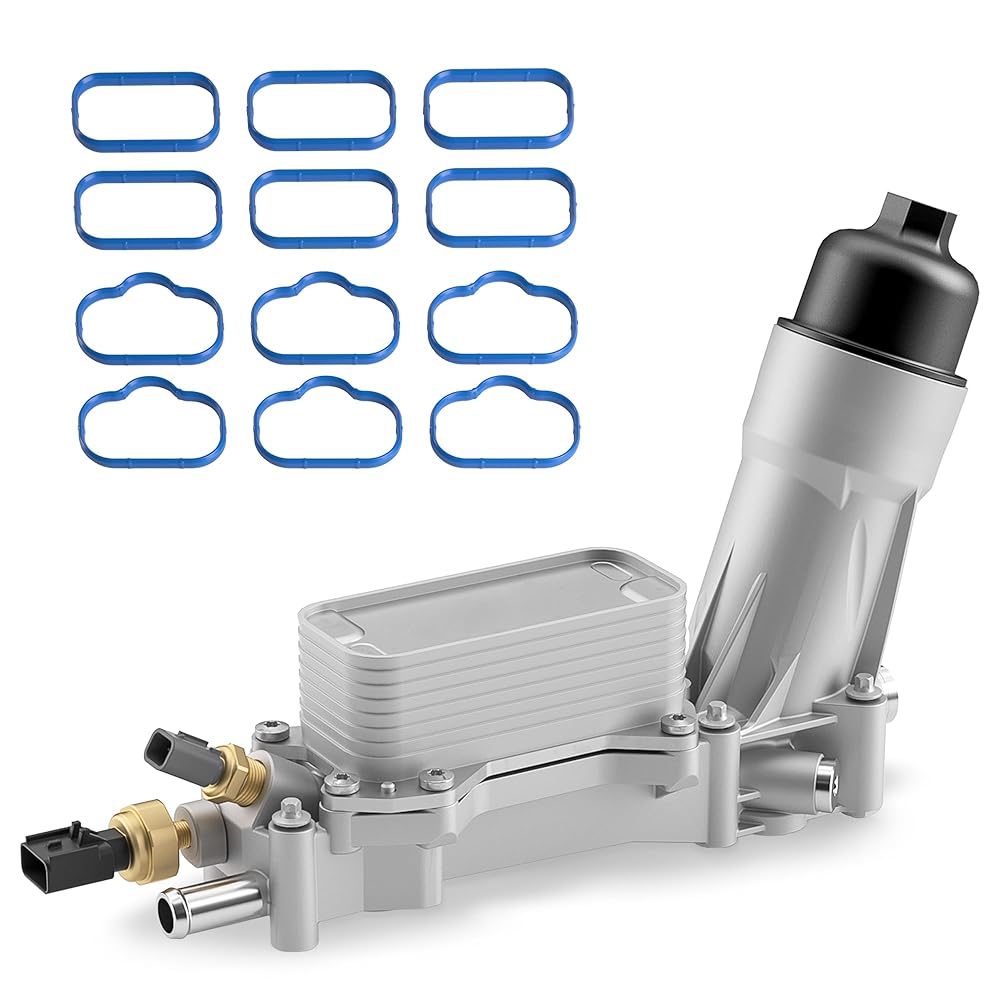

What serves as the engine oil cleaner? At its core, the oil filter housing kit (referred to as “oil filter housing” and including an oil filter ) is the most vital component to filter out the contaminants during engine operation and extend the engine's lifespan. If you’re looking for an oil filter housing, you need to understand it thoroughly before making a choice. Let’s break down its main functions, core components, and what quality-related factors matter so you can select a precise and functional product.
What is Oil Filter Housing
Compared to the radiator, the oil filter housing works only for oil rather than lowering the engine temperature entirely. As oil is the lubricant in the engine, its flow and performance directly reduce the oil film that protects the crankshaft, bearings, and other moving parts. Most contaminants are held in suspension by the oil detergents and keep circulating in the engine until the next oil change. During this time, debris and dirt generated by combustion restrict oil flow, wear the engine components, and cause costly repairs. Additionally, oil is extremely sensitive to temperatures. If it rises above or falls below the normal range, the oil may lose its ability to form a protective oil film, and oil flow may decrease.
The oil filter housing fully meets all the needs of engine oil. Its aluminum housing integrates all core parts, and its housing base mounts firmly to the engine block. Over time, the housing bears the oil pressure and maintains steadier performance due to aluminum’s strength and heat resistance. Additionally, it acts as a stable support for the filter to withstand high temperatures and vibration from the engine, ensuring efficient filtration.
Modern oil filter housing is now designed to cool oil as an additional function. Manufacturers integrate separate oil and coolant passages within a single oil cooler. After the filtration, oil flows through the channel inside the oil cooler and transfers heat through the metal walls, due to the temperature difference. Its two ports —oil pressure sensor and oil temperature sensor— can monitor the oil condition continuously and send signals to the ECU, regulating your oil flow.
How the Oil Filter Housing Works
The oil filter housing is a complete system that safeguards the engine as soon as a driver starts the car. In most cases, oil passes through the oil filter housing before it reaches the main oil gallery. The oil pump pushes the oil, which first enters the core component— filter element. At this point, the filter media inside the element acts like a mesh, blocking larger debris, soot, and dirt generated by incomplete combustion from the oil. Some manufacturers also shape the filter media into pleats or other designs. This can extend the contact between oil and filter media, further increasing the filtration accuracy.
As all the “waste” is held by filter media, drivers must replace the oil filter if they want to remove these contaminants. Mechanics often recommend drivers replace the old oil filter every 5000 miles or after 6 months, which is almost the same as an oil change cycle. Conversely, the oil contaminants build up until the filter fails to clean the oil effectively.
In some cases, the thick contaminant also creates a higher pressure difference in the oil, causing the bypass valve to open. The oil directly passes the filter element and floods through the valve, preventing the filter housing from clogging. But the bypass valve is only fitted on certain car makes and models, or otherwise, the unfiltered oil would circulate through the entire engine and cause the engine to be clogged eventually.
Why the Oil Filter Housing Matters
As mentioned earlier, clean oil could lubricate and seal the moving parts of the engine. In addition, the oil that flows through the oil cooler also reduces the temperature of internal engine components. From the engine's start to shutdown, the oil housing continuously circulates oil through filtration, keeping engine oil at good performance.
Its aluminum housing and sealing gasket protect the engine from oil leaks. Although oil itself isn’t strongly acidic or alkaline, the acidic deposits that accumulate during engine operation can still corrode engine parts.
The rubber gasket also provides a tight and secure fit between the housing base and the engine block‘s oil passage. If there is a small gap on the mounting surface, the oil pressure will drop sharply — oil flow rate slows down, and oil level reduces — the engine can’t get sufficient lubrication and cooling. Heat and wear from the engine operation could cause serious damage — and in the worst cases, complete engine failure.
What Quality Matters in Oil Filter Housing
The key points to determine oil filter housings’ quality are generally the same; however, the main configuration of the housings varies by vehicle makes and models. Understanding its common faults will help you better appreciate the oil filter housing selection guide that follows.
Signs of a Faulty Oil Filter Housing
Oil Leaks
This is often related to the gasket quality. In that case, drivers find the oil filter housing leaking after oil changes, which is due to the damaged gasket as well. The low-quality gasket often loses its ability to elasticity due to exposure to high engine temperature. In addition, the housing has a crack or partial break, causing the oil leaks.
Poor Filtration
When the oil filter housing is unfitted for the oil filter, it may not be held securely. This is then followed by the oil leaks, leading to poor filtration.
Low Oil Pressure Warnings
It's directly caused by clogged oil or reduced oil levels from oil leaks. If the housing loses its ability to bear the oil pressure, it’ll be cracked during the engine operation. Even worse, the gaskets are faulty, so they can’t maintain proper sealing.
Frequent Oil Changes
A faulty filter core or cracked housing causes the engine oil not to be cleaned properly. When this happens, drivers have to change the engine oil more than normal; otherwise, it accelerates engine wear.
Getting an Oil Filter Housing For You
It's important to pay close attention to the manufacturing quality of both the filter core and the housing. For example, Sintly’s oil filter housing kits are made with precise welding, without any cracks on the surface. All mating surfaces and internal housing structures are carefully crafted and paired with high-quality rubber gaskets to prevent oil leaks and oil pressure drops. In addition, the filter paper with high filtration accuracy could efficiently remove impurities while offering a long service life.
When visiting our sintly.com, enter your part numbers and submit your quote. We offer a wide range of types of oil filter housings — oil filter housing adapters or oil cooler filter housing — so you can easily buy high-quality products.
FAQ
Does Sintly’s Oil Filter Housing have Caps?
Our oil filter housing comes with plastic caps to protect ports from dust.
What Do You need to Change an Oil Filter Housing?
To change an oil filter housing, you typically need:
·A new oil filter housing (including the oil filter and gasket)
·Removal tools: ratchet, sockets, wrenches.
·Torque wrench (for proper tightening).
·Drain pan (to catch oil).
How to Install a New Oil Filter Housing Assembly?
General steps:
·Drain engine oil (and coolant if applicable).
·Remove components blocking access to the housing (belts, hoses, engine covers).
·Remove the old oil filter housing and gasket.
·Clean the mating surfaces thoroughly.
·Install the new gasket and oil filter housing, torque bolts to manufacturer specs.
·Refill engine oil (and coolant if needed).
·Start the engine and check for leaks.
How Much Does an Oil Filter Housing Replacement Cost?
The costs vary by vehicle.
Part:$50 -$200.
Labor:$100 -$300, depending on the shop and engine layout.
Is It Safe to Drive with a Leaking Housing?
No. It can cause engine oil loss and reduced oil pressure, leading to engine damage or overheating.
What is Considered a Serious Leak?
If drivers find any case that follows below, the oil filter housing requires immediate repair.
·Oil drips consistently onto the ground.
·Oil level drops quickly as the engine starts.
·Oil sprays onto belts or other engine components.
·The engine warning light is on.
How Much does the Oil Leak Repair Cost?
If there are gasket issues rather than the damaged housing, drivers only need to pay for the gasket replacement. The costs of parts range from $5 to $30 and vary depending on materials and cars.
How Long Does It Take to Change Oil Filter Housing Gaskets?
If drivers have ever dealt with auto part repair, they know it can be time-consuming. This gasket replacement typically takes 1-3 hours.